Protein is often considered a go-to nutrient for fat loss – but does eating more protein actually help you lose weight? Well, while protein doesn’t directly burn body fat, it can play an important role in a balanced, holistic weight-management plan.
From helping you feel fuller for longer to preserving lean muscle during a calorie deficit, getting enough protein is a valuable part of your weight loss management toolkit – particularly when combined with regular F45 workouts.
In this guide, we’ll explore how protein supports fat loss, explain why it works so well alongside certain types of workouts – particularly resistance training – and unpack practical ways to include more protein-rich foods in your everyday diet.
Does protein help you lose weight?
Yes! But there’s a little more to it than simply adding extra protein to your plate.
Fat loss happens when your body consistently uses more energy than it consumes, known as a calorie deficit1. While protein won’t create that deficit on its own, it can help make the process more manageable.
When it comes to protein for weight loss, the key is finding the right balance rather than following a restrictive diet. Alongside balanced meals, regular exercise, and quality sleep, getting enough protein can support your progress toward a healthier body composition – and help you build habits that last.
How does protein support fat loss?
There are several ways that protein for fat loss can make a difference, from managing your appetite to supporting your body’s response to exercise. Here’s how it works.
Helps you feel fuller for longer
Ever noticed how a protein-rich breakfast can keep you satisfied until lunchtime?
Protein helps regulate appetite by influencing the hormones involved in hunger and fullness2. This can make it easier to manage those late-night snack cravings and feel satisfied between meals, without constantly battling hunger. Want to know more? Explore our guide to the connection between hormones and weight loss.
Works to preserve muscle during weight loss
When you lose weight, your body can lose muscle alongside fat.
Getting enough protein provides the amino acids your muscles need to maintain and repair themselves, helping you preserve lean muscle as your weight changes. This is especially important for staying strong and active.
Supports recovery after exercise
Whether you’ve just finished a strength session or a challenging cardio workout, your muscles need time and nutrients to recover.
Protein supplies the building blocks for muscle repair and adaptation, supporting your body’s recovery. Used as part of a sustainable workout routine, this combination of protein and rest days can help you reduce the likelihood of injury, manage delayed onset muscle soreness (DOMS) after a workout, and keep you on track to hit your fitness goals.
Need a little extra support to integrate rest into your routine? Try our guide to the seven types of rest – or explore how our recovery workouts can help you look after your body.
Requires more energy to digest
Here’s an interesting fact: your body actually uses more energy to digest and process protein than it does carbohydrates or fats. This is known as the thermic effect of food3.
While the difference is relatively small, it’s another way protein contributes to your overall daily energy expenditure, which can help support your weight loss journey in the long run.
Why protein and resistance training work so well together
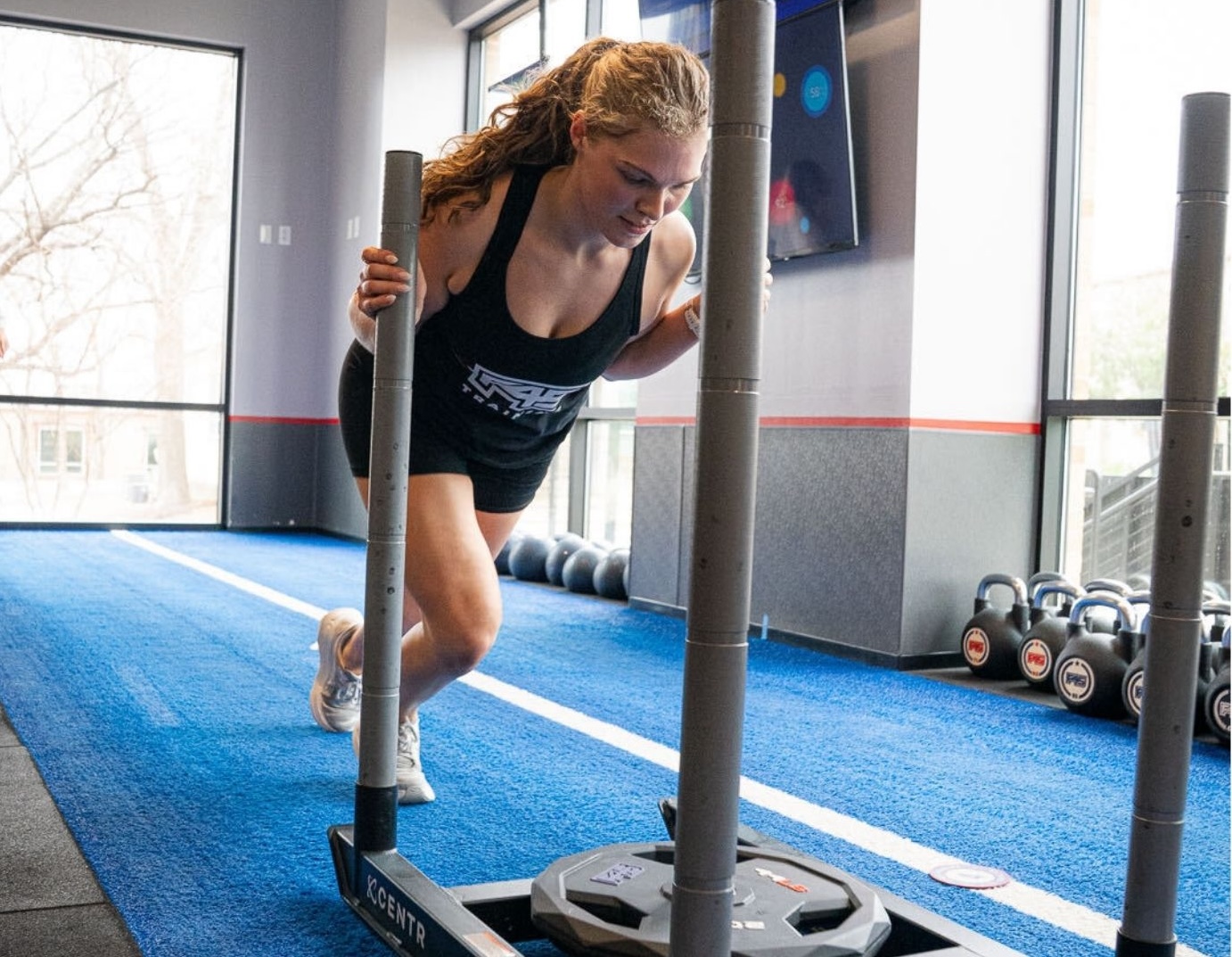
Think of protein and resistance training as a team. One of the benefits of strength training is that it challenges your muscles to adapt and grow stronger, while protein provides the building blocks needed to support that process.
Together, they can help improve your body composition – the balance of fat and lean tissue in your body4. After all, making progress isn’t just about seeing a lower number on the scales. It’s also about feeling stronger, maintaining your fitness, and supporting your long-term health. Fortunately, though, you don’t need to lift heavy weights every day to see benefits. Consistent resistance or hybrid training – whether through weights, resistance bands, or bodyweight exercises – combined with adequate protein can help you maintain strength and physical performance as you work toward your personal fitness targets.
Keen to dive deeper? Find out how strength training can support weight loss.
The best protein-rich foods to support fat loss
The good news? Getting enough protein for weight loss doesn’t have to mean overhauling your diet. There are plenty of delicious, nutritious options to suit different tastes, lifestyles and dietary preferences – whether you’re dining out, or meal prepping for the week.
Animal-based protein
Chicken, fish, eggs, Greek yogurt and cottage cheese are all excellent sources of protein that can easily fit into everyday meals. Try adding eggs to your breakfast, grilled chicken to a salad or Greek yogurt with berries for a satisfying pre- or post-workout snack.
Plant-based protein
Prefer plant-based meals?
Tofu, tempeh, lentils, chickpeas, beans and edamame are great options that offer additional nutrients, including fiber5. Experiment with tofu stir-fries, lentil curries or chickpea salads to keep things interesting while supporting your daily protein intake.
Not sure which to choose – animal or plant protein? Our in-depth guide will help.
Convenient protein options
Life gets busy, and that’s where convenient protein sources come in handy. Protein smoothies, high-protein snacks, canned fish, and boiled eggs can make it easier to meet your nutritional needs when you’re short on time.
Common myths about protein and fat loss
With so much nutrition advice floating around, it’s easy to get caught up in conflicting claims. Let’s separate fact from fiction when it comes to protein and weight loss.
« Eating more protein automatically burns fat. »
Not quite! While protein has several benefits for weight management, simply increasing your intake won’t trigger fat burning. Your overall eating habits and energy balance still matter, so think of protein as a helpful addition to your routine – rather than a shortcut to results.
« More protein is always better. »
Not necessarily. Your daily protein needs depend on factors such as your activity level, body weight, and fitness goals. Once you’re getting enough to support your needs, adding more isn’t guaranteed to deliver extra benefits. It’s also important to leave room for carbohydrates, healthy fats and other essential macronutrients and micronutrients.
« You need protein immediately after every workout. »
Don’t panic – there’s no need to race for a protein shake the moment your session ends!
While post-workout recovery protein can be beneficial, research suggests your total daily protein intake matters more than hitting a strict 30-minute window6. Focus on spreading protein across your meals rather than watching the clock.
Finding yourself staring at the shelves in the grocery aisle, struggling to pick the right foods to fuel your weight-loss journey?
Our guide to how to break down a nutrition label will help.
1 https://pmc.ncbi.nlm.nih.gov/articles/PMC5470183/
2 https://pubmed.ncbi.nlm.nih.gov/32768415/
3 https://pmc.ncbi.nlm.nih.gov/articles/PMC524030/